
Coastal Protection
Coastal Protection
Coastal protection

High-performance solutions
For 35 years, we have been designing and building innovative structures designed to protect and support the development of coastlines.
Sustainable solutions
We design our structures to withstand natural hazards and climatic challenges, while ensuring they blend seamlessly into their surroundings.
Our expertise

Optimised studies and sizing
We support our clients from the preliminary design stages onwards. Digital modelling, hydraulic model testing and geotechnical expertise enable us to adapt each structure to natural and operational constraints.
The Calais Port 2015 project illustrates our ability to optimise design and sizing right from the initial study phase.

Developing original solutions
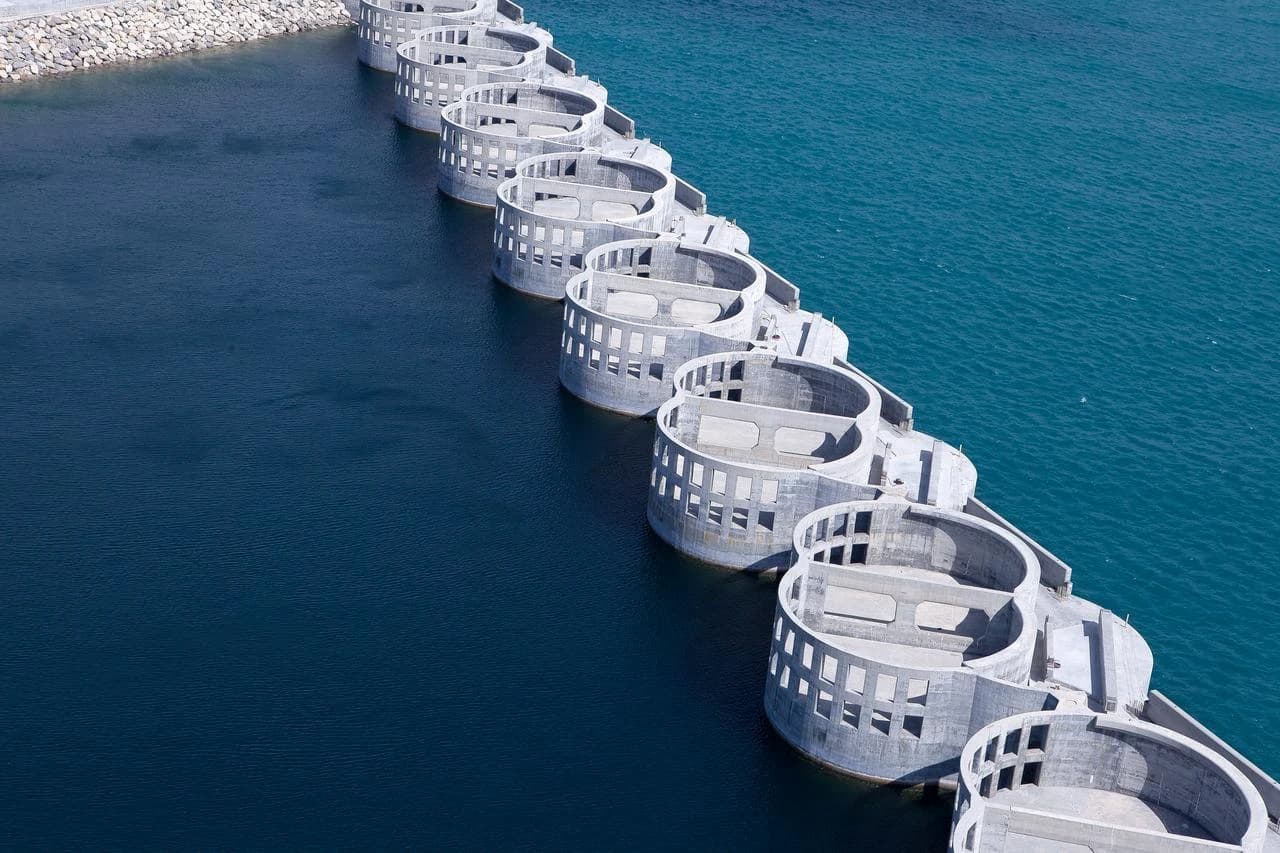
Our teams design advanced systems such as Jarlan chambers and wave-trap mechanisms. We use eco-design principles and digital tools to enhance our methods, enabling us to construct durable, high-performance structures.
The Beirut Seafront project, with double-chamber caissons and wave-trap systems, is a good example of our innovative approach.

Methods adapted to marine environments
We employ specific maritime and industrial methods and resources to ensure the quality and safety of our structures, such as the prefabrication of caissons (as in Monaco), the automation of X-Bloc® installation (Calais Port 2015) and the construction of custom-built barges like the Zourite (New Coastal Road, Reunion Island).
Modernising and extending service life
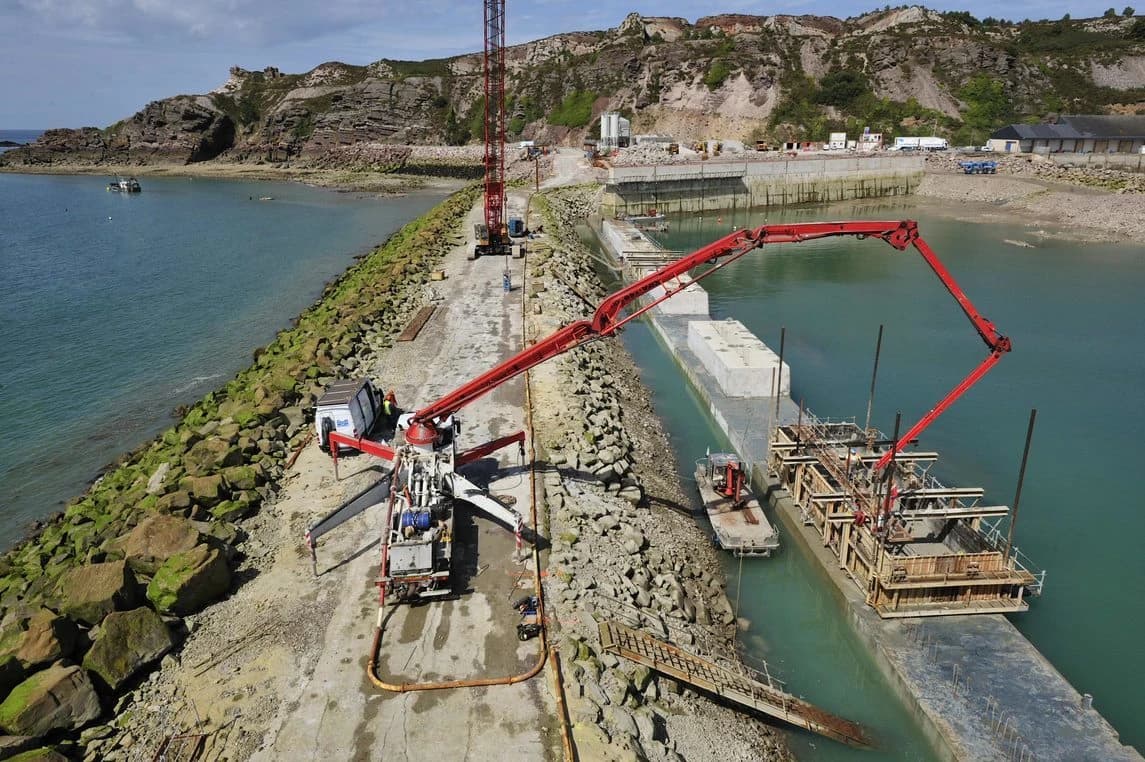
Restoring and reinforcing existing structures is one of our areas of expertise. A notable example of this is the Port of Erquy in France, where we dismantled and rebuilt a damaged pier. Our technical and environmental solutions enhanced the pier’s resilience and minimised maintenance costs.
Do you have a project?
Let's discuss it.
Long-term coastal and port protection
Breakwaters and coastal protection structures provide an essential response to erosion, overtopping and increasingly frequent storms. We design and build two main types of structures: sloped breakwaters using rock armour or artificial block embankments, and vertical breakwaters made of reinforced concrete caissons.
This dual expertise allows us to adapt solutions to local conditions, always balancing structural robustness, environmental integration and cost control. Our engineering teams use modelling tools to anticipate wave agitation inside the harbour, reduce overtopping and optimise structural performance.
Adapted solutions and technical innovations
Beyond port breakwaters, we build coastal protection structures to prevent overtopping and erosion, including coastal armour, sea-cutoff walls, groynes and detached breakwaters. These structures must often meet stringent architectural requirements.
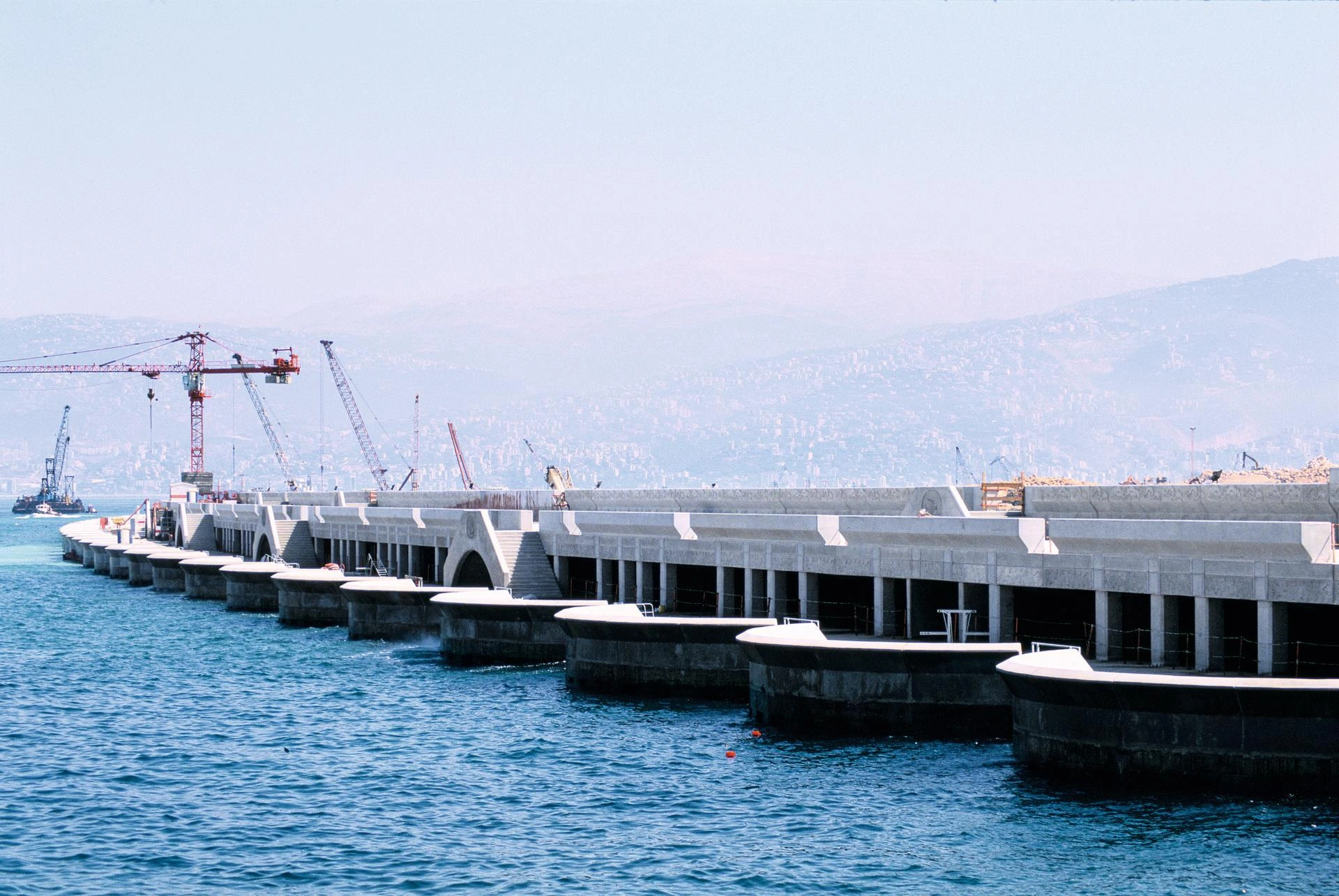
- For the Beirut seafront, we designed double-chamber caissons and ‘‘wave gates’ to reduce overtopping.
- In Monaco, porous caissons with a double perforated wall were used to limit wave reflection.
These innovations demonstrate our commitment to delivering structures that are safe, visually attractive and respectful of marine environments.
Our projects

Beirut seafront
Construction of the seafront promenade in Beirut city centre.

Calais Port 2015
Construction of the breakwater and platforms for the new port of Calais, Europe's largest port construction project.

Caucedo Port Terminal
Design and construction of the Caribbean’s first multimodal cargo port, located 30 kilometres from the capital, Santo Domingo.

Port de Tangier - Lot 9
Design and construction of a city port terminal to accommodate roll-on/roll-off vessels.

Port of Erquy
Renovation and extension of the port, including the construction of a new jetty, resulting in an additional 4 hectares of water surface and new quays.

Port of Port-La Nouvelle
Extension of the port of Port-La Nouvelle, including a new basin and reinforced breakwaters, to accommodate next-generation vessels.

Port of Tangier Med 2
Design and construction of the Tangier Med port, a hub for global maritime trade, featuring large-scale port infrastructure.

Join the team
Find a job among the 1,000+ opportunities currently available.