
Bouygues Travaux Publics
Bouygues Travaux Publics
Building infrastructure for low-carbon energy production and public transport
Who we are
At Bouygues Travaux Publics, 11,300 employees worldwide are all driven by the greatest and most exciting responsibility: building for life.
For our clients in more than 20 countries, we do much more than just construct buildings. We build to create places, connections, and opportunities. We improve the daily lives of millions of people by creating structures that embrace life in all its diversity and serve all our needs.
We are aware that everything we do is built to last, and that our legacy as builders commits us to future generations. Every day, we seek new solutions to design, renovate, and build differently. Our goal is clear: to meet the immense challenges of environmental transition for sustainable and resource-efficient construction.
We support the development of low-carbon energy production and public transport infrastructure, and we build and renovate using lower-carbon materials, optimizing the design of our structures and taking their life cycle into account.
And because the men and women of Bouygues Construction are our most valuable asset, we ensure the safety of everyone at all times and respect human rights and ethical rules (read our Slavery and Human Trafficking Statement).
We are committed to ensuring that everyone can flourish in their work and build a career path guided by our core values. In 2025, Bouygues Travaux Publics reported sales of €3.44 billion.
- 11,300
- employees
- 20+
- countries
- €3,4 bn
- in sales in 2025
- 79%
- international sales
Improving the mobility of goods and people
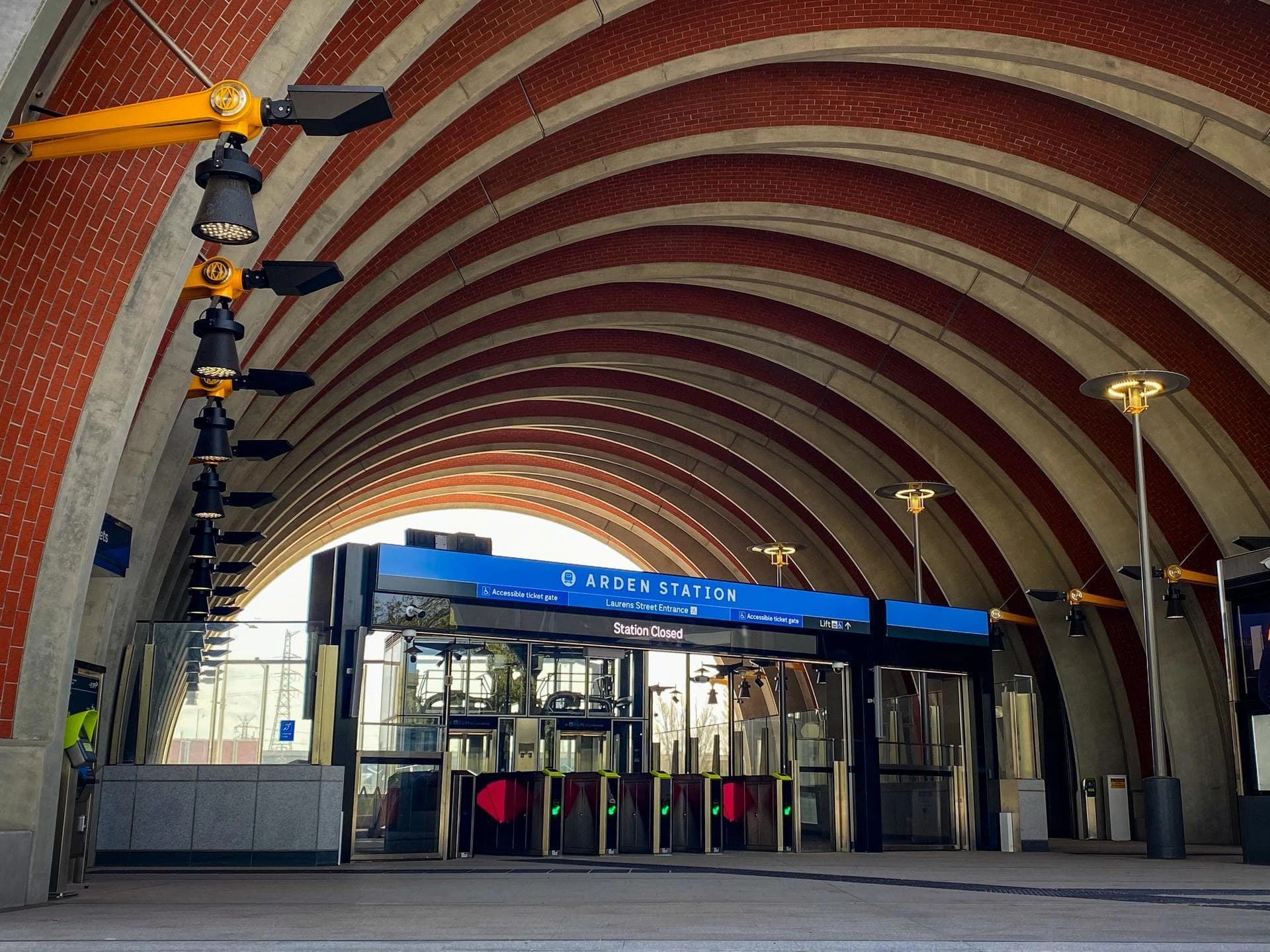
Metros, trains, roads, road and rail bridges, river canals, and footbridges: we design and build structures that facilitate travel and enhance the appeal of regions. Through these projects, we support the development of public transportation and low-carbon infrastructure, promoting more efficient and sustainable mobility.
Producing carbon-free energy
Civil engineering for EPRs, offshore wind turbine foundations, hydroelectric dams, etc. - we are involved in complex industrial projects that make a tangible contribution to the energy transition and to securing the electricity supply for different regions.

Contributing to resource management
Water management structures, mining activities, LNG tanks, and ports dedicated to the storage and transport of natural resources are examples of this. These projects address key challenges in terms of security, industrial performance, and responsible resource management.

Making regions more sustainable, livable, and resilient
Land reclamation, sea walls and waterfronts, port infrastructure, footbridges, wildlife crossings, transport corridor decking and ecological restoration: these structures contribute to the sustainable transformation of urban and coastal areas. We draw on our technical expertise to reconcile development and adaptation to climate change.
Our references

Istria Motorway
A Y-shaped infrastructure comprising 77 engineering structures and 100 km of road, which is reshaping the peninsula and supporting its tourism and economic growth.

Calais Port 2015
Construction of the breakwater and platforms for the new port of Calais, Europe's largest port construction project.

Monaco offshore extension
Construction of the maritime infrastructure for a 6-hectare eco-neighborhood, protected by 18 26-meter caissons incorporating Jarlan chambers.

Gautrain Rapid Rail System
Design, construction and operation of an 80-km rapid rail line, delivered in time for the 2010 FIFA World Cup and recognised for its environmental performance.

Hinkley Point C EPR
Construction of two EPR reactors in the UK, supplying 7% of national electricity. A project of exceptional scale.

High Speed 2 (HS2)
Between London and Birmingham, as part of the Align consortium, we built 21.6 km of infrastructure, including a 16 km twin-bore tunnel and a 3.4 km viaduct.

Line 1 of the Abidjan metro
With its 37 km route and 18 stations, the line was designed to carry more than 500,000 passengers per day, supporting the growth of Abidjan.

Fécamp offshore wind farm
Construction and installation in record time of the gravity foundations for the 71 wind turbines at the Fécamp offshore wind farm in Normandy.

Hong Kong-Zhuhai-Macao Bridge
The 9.4 km Hong Kong-Zhuhai-Macao Bridge Link Road connects the boundary with Airport Island.

Simone Veil Bridge
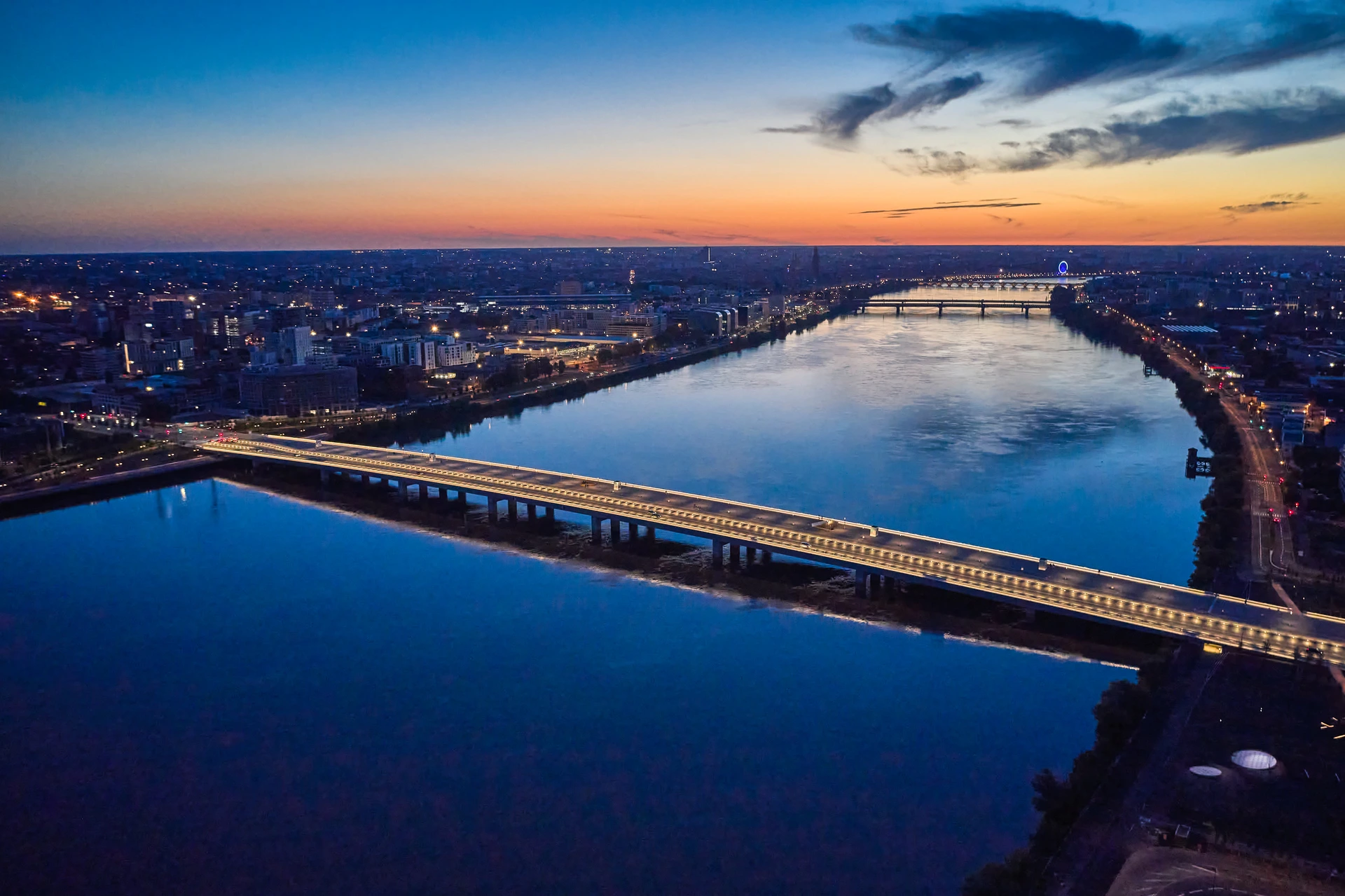
A landmark of the redevelopment of Bordeaux’s quays, the Simone Veil Bridge spans 550 metres and features a wide 44-metre-wide public esplanade overlooking the Garonne.

Chernobyl Sarcophagus
A metal containment structure designed to provide long-term protection for the nuclear reactor damaged in 1986 and to facilitate its decommissioning.
.webp&w=1920&q=75)
Tuen Mun-Chek Lap Kok Link
Hong Kong’s deepest, longest and largest sub-sea road tunnel.

Channel Tunnel
The teams’ involvement in the construction of the tunnel, a 50-kilometre undersea rail link between France and the United Kingdom.

Viaduct on the Nouvelle route du Littoral
Built using the Zourite mega-barge, it stretches over 12 km across the Indian Ocean.

Do you have a project?
Let's discuss it.
Governance
Join us!
Hundreds of opportunities available worldwide.